Switzerland goes to the polls on Sunday on one of Europe’s most closely watched immigration votes: a binding cap on the resident population at 10 million.
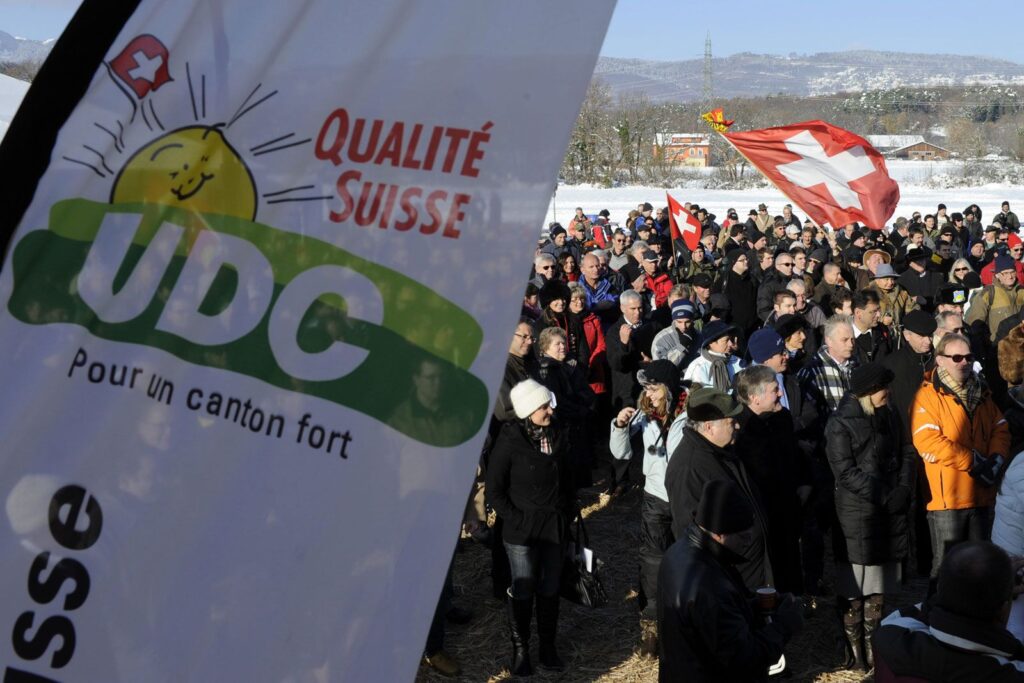
The initiative, branded the “Sustainability Initiative” and driven by the right-wing Swiss People’s Party (SVP), the largest force in parliament, argues that uncontrolled immigration is straining public infrastructure and pushing up housing costs. It would write into the constitution the rule that the permanent resident population – citizens and foreign residents alike – must stay below 10 million until 2050. The mechanism is staged: should the population reach 9.5 million before then, the government must act through measures on asylum, family reunification, residency permits and the renegotiation of international agreements. If it still hits 10 million, Switzerland would be obliged, after two years, to terminate its freedom-of-movement agreement with the EU.
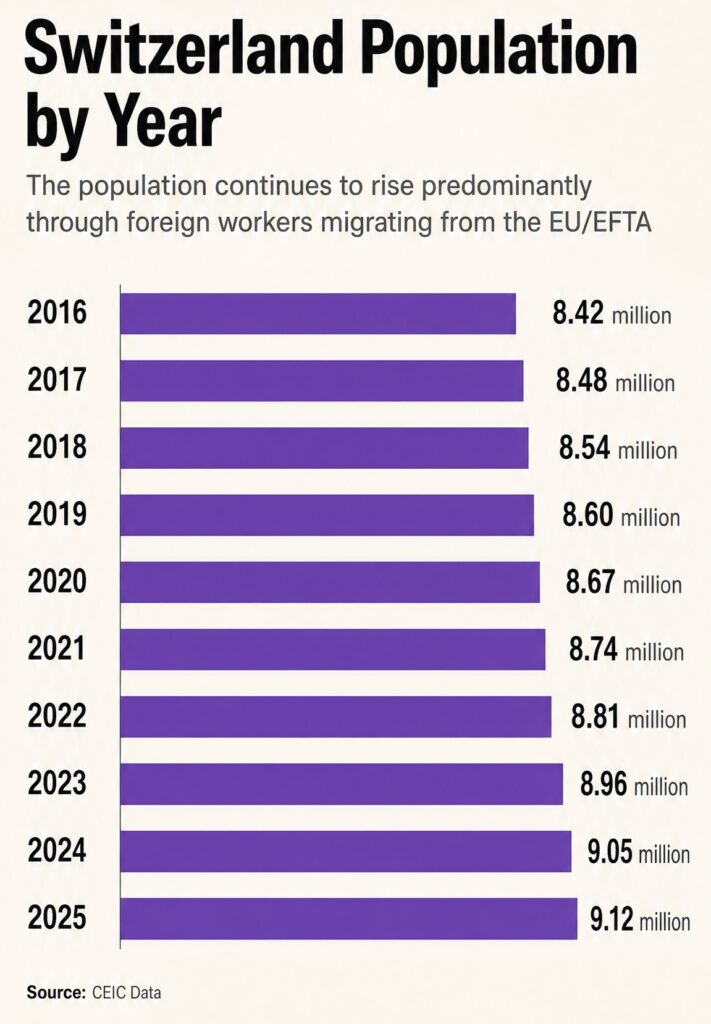
The numbers explain the anxiety. Switzerland held roughly 9.1 million people at the end of 2025, having added about 1.7 million since free movement took effect in 2002 – growth driven overwhelmingly by immigration. Official projections put the trajectory at 10.5 million by 2055. Net migration runs near 80,000 a year, with the foreign-born share around 27 per cent.
Whether it works is another matter. The cap addresses a symptom while leaving the driver – labour demand – untouched. Swiss-headquartered firms warn that hard immigration limits would erode competitiveness and weigh on an economy already grappling with sluggish growth, a strong franc and US tariffs. Hospitals and care homes lean heavily on EU recruitment. The deeper risk is collateral: unwinding the 1999 and 2004 accords would jeopardise Switzerland’s broad access to the single market. Polls show the country split.